What insurance claim assistance actually does
Insurance claim assistance is the work of proving what a storm did to your roof, then getting policy coverage to pay replacement cost rather than a depreciated check. We handle the photos, the paperwork, and the meeting with your adjuster.
A tarp goes on within a day when water is moving through the roof, and we document that emergency mitigation because most policies reimburse it. Then we build a scope of work line by line and supplement the estimate when it misses hidden rot.
Storm damage signs that hold up in a claim
- A leak that shows up after heavy snowfall usually starts at an ice dam, not in the middle of the shingle field.
- Missing shingle and bruised shingle sections after a late-spring hailstorm are measurable, and ITEL shingle sampling settles arguments about what caused them.
- A dent in an aluminum gutter, a vent boot, or a metal panel is strong evidence of hail damage because metal keeps the strike pattern.
- Wind damage shows up at the rake and ridge first, where shingles lift before they tear.
- Sag along the roofline usually means rot in the decking below, and rotted sheathing is replaceable under most policy coverage.
- Granule loss that leaves grit in the gutter points to end-of-life wear, which is depreciated rather than covered.
- Rapid freeze-thaw cycles open seams and let water wick into the substrate, so sealant and flashing failures are common here.
How a claim moves from first call to final check
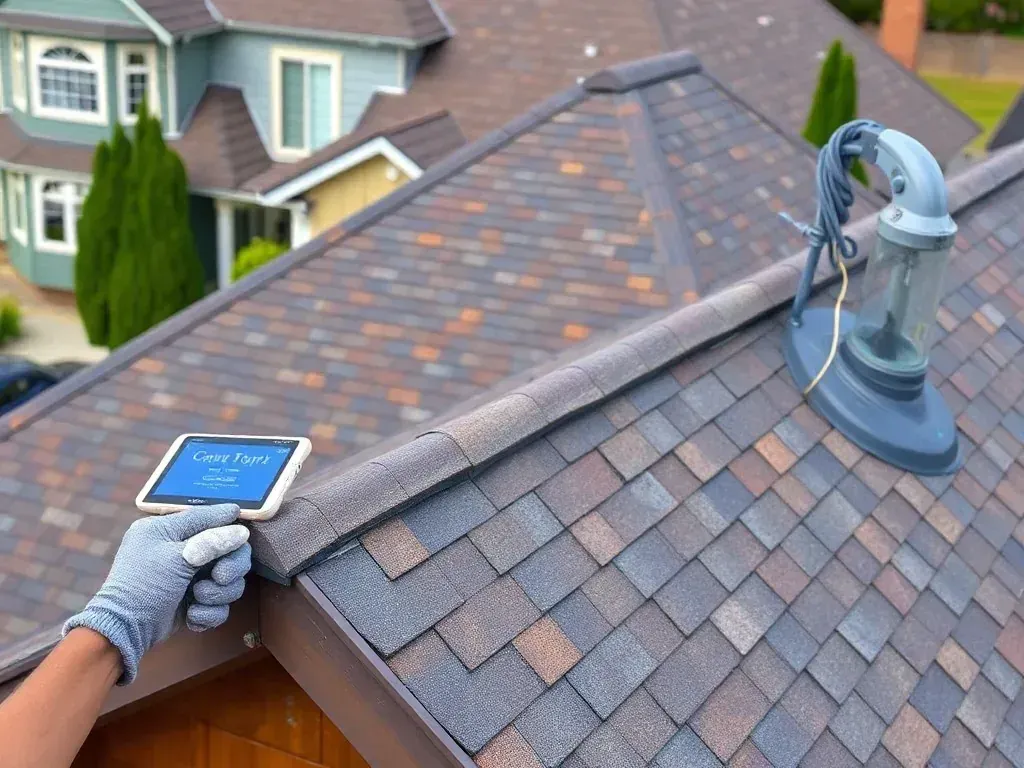
- We start with a roof inspection and photograph the roof, rooftop, and roofline before any roofer moves a shingle.
- We tarp anything that is leaking and note the mitigation on the same line-item estimate your carrier will read.
- We open the insurance claim with claim documentation, including Xactimate scope documentation and drone photo packages.
- We meet your adjuster on the roof, because hail-damaged and storm-damaged shingles read differently from the ground.
- We file a supplement when the approved scope of work misses decking, ice-and-water shield, or code-required items.
- We prepare a proof of loss when the carrier asks for one, then track depreciation release once the work is finished.
What the roofing materials tell us about coverage
- Three-tab shingle and architectural shingle are the most common asphalt shingle profiles here, sitting over roofing felt, tar paper, or synthetic underlayment.
- Wood shake and cedar shake are evaluated piece by piece, since individual shingles are replaceable without touching the whole field.
- Slate, clay tile, and concrete tile resist hail but crack on impact, and water seeps through those cracks into the decking.
- Metal roofing, whether standing-seam panel or corrugated panel, is judged by dent depth and coating damage instead of granule loss.
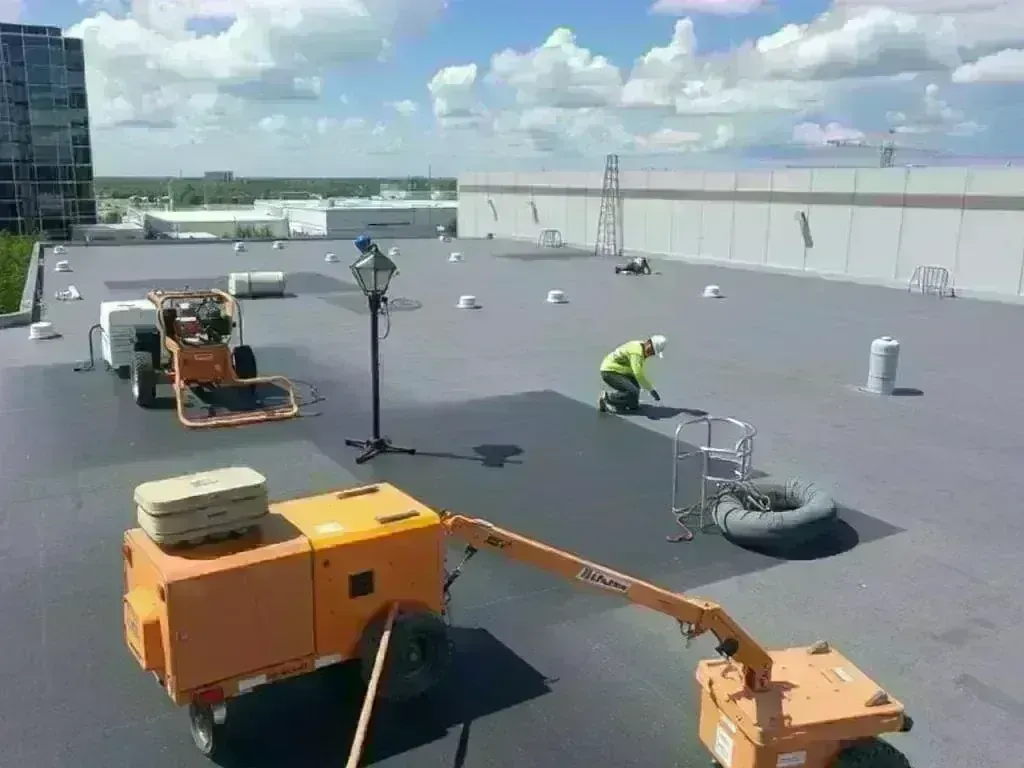
- Low-slope sections use TPO, EPDM, or PVC membrane, while older buildings still carry built-up roof or modified bitumen surfaces.
- Tar, pitch, and bitumen on century-old roofs get identified before anyone prices new material for them.
Parts of the roof we document for you
- The roof deck, sheathing, plywood, or OSB panels show whether a leak has run long enough to rot the substrate.
- Truss, rafter, joist, and ridge beam framing gets checked from the attic once water reaches insulation or ventilation.
- Step flashing, counter-flashing, chimney flashing, pipe flashing, and apron flashing are photographed one by one, because that is where most leaks start.
- Pipe boot, vent boot, skylight, dormer, and chimney penetrations each get a close photo so a carrier cannot group them into one repair.
- Drip edge, eave, soffit, fascia, rake, ridge, ridge cap, ridge vent, valley, gutter, and downspout conditions all land in the report.
- Purlin, batten, and counterbatten systems on metal and tile roofs are noted for the supplement.
- Mansard, gambrel, canopy, awning, and overhang features change the square count, so we measure hip and gable geometry on the roof instead of guessing.
- Commercial roofing claims add parapet, coping, scupper, and roof cement details that a residential report never includes.
Tools and site work you will see
Our crews work off a ladder or a scaffold in a safety harness, and we order a dumpster so debris leaves the same week the tear-off starts.
A roofing shovel and pry bar strip the old layers, while a nail gun and air compressor set new nails, screws, and fasteners.
A roofing square keeps the courses straight, and we reseal with caulk, sealant, adhesive, mastic, or roof cement as the detail requires.
Every new roof gets a vapor barrier over the deck, a snow guard above the eave, and an anchor rated for fall protection.
We waterproof and weatherproof the penetrations, check the attic fan and soffit vent, and confirm the ice-and-water shield meets building code.
For second layers we explain the difference between a recover and a full tear-off, since an overlay changes what a claim can include. A torch or coating system handles modified bitumen and flat work, and licensed and insured crews do it either way.