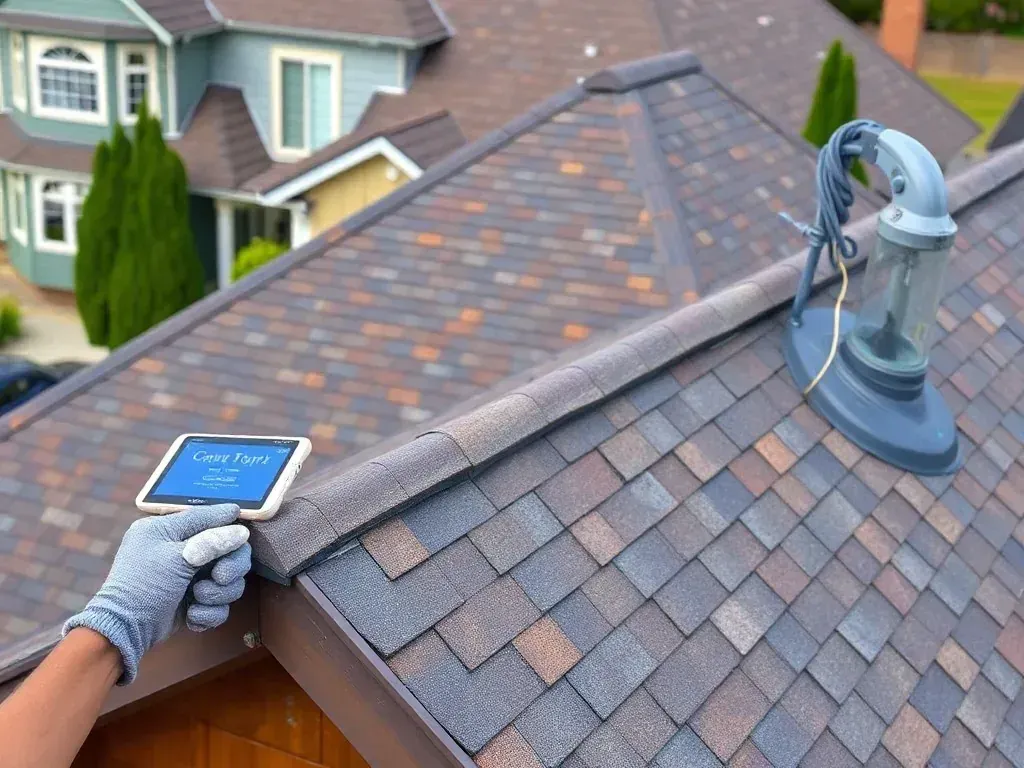
A roof inspection costs far less than the water damage it prevents. We start with drone imagery of the full roofline, then climb for hands-on checks at the ridge, hips, valleys, and every penetration.
An infrared scan and a moisture meter show whether water has wicked past the sheathing into the insulation. Nothing lands in the written report unless we can back it with a photo.
What a comprehensive inspection covers
- Shingle condition, including granule loss, cracked or missing shingle tabs, and bruised mats after a hailstorm.
- Underlayment, both synthetic underlayment and older felt, checked where the shingle edges lift at the rake and the eave.
- Ice-and-water shield coverage along the eaves, the layer that keeps ice dams from backing water under the courses.
- Chimney flashing, step flashing, counter-flashing, and apron flashing, plus boot flashing and pipe flashing at each pipe boot and vent boot.
- Ridge cap fasteners, ridge vent, soffit vent, and attic fan performance, since weak ventilation cooks the decking from underneath.
- Gutter, downspout, fascia, and soffit, where overflow staining usually shows up first.
- Roof deck, plywood or OSB sheathing, rafters, ridge beam, trusses, and joists, probed for rot, decay, sag, and soft spots.
Minnesota weather punishes a roof three ways. Heavy snowfall and ice dams push meltwater sideways under the shingles, late-spring hail bruises the field course, and rapid freeze-thaw cycles pull caulk and sealant out of joints before anything looks wrong from the ground.
How different roofing materials age here
- Asphalt shingle systems, including three-tab shingle, architectural shingle, and laminated products, fail by granule loss and end-of-life wear on the south slope.
- Wood shake and cedar shake roofs settle and split, so we look hard at the butt joints after a wet spring.
- Slate, clay tile, and concrete tile roofs spall and flake at the surface, and one slipped tile can leave a valley open for weeks.
- Metal panel and standing-seam panel rooftops, plus corrugated panel systems, peel and corrode at fasteners, sealant, and each exposed washer.
- Flat assemblies such as membrane, TPO, EPDM, PVC membrane, modified bitumen, and built-up roof systems pond water and need a recoat before the surface dries out.
Awkward shapes that hide the real problem
- Dormers, gable ends, and mansard or gambrel rooflines create far more rake, verge, and step flashing detail than a simple hip roof.
- Skylights are the most common leak source we find, especially where the curb flashing was caulked instead of refit.
- Parapet walls, scuppers, and coping cap on flat roofs hold ponding water and debris against the membrane for days.
- Canopy, awning, and overhang sections take freeze-thaw damage fastest because they stay cold and unheated.
- Purlin, batten, and counterbatten systems on metal roofs need a substrate check before any panel goes back down.
Older homes across the Twin Cities often carry a second layer of roofing felt, tar paper, or bitumen under the visible shingles. A tear-off reveals whether the original job used hot tar or asphalt pitch, and whether the drip edge was ever fastened correctly.
That finding shapes the roof estimate, because decking under felt that old is usually soft along the bottom edge. We note any building code item we see, from missing drip edge to undersized ventilation, so you know what a future permit inspection will flag.
Waterproofing at the eaves and weatherproofing at every penetration decide whether a roof makes it through a season. Most failures trace back to something small, like a drip edge face-nailed short or a boot flashing caulked instead of replaced.
What happens after we walk the roof
- You get a written report with photo evidence the same day, sorted by urgency rather than by price.
- Repairs get a line-item estimate; replacements get material options with a shingle or metal sample in hand.
- Hail and wind damage gets documented for your insurer, including the storm date and a photo of every bruise and dent.
- Before sign-off we verify the vapor barrier under the insulation, snow guard placement at the eave, and the coating on any flat-roof repair.
- If nothing is wrong, we say so and tell you when to call back, usually before the next spring hail season.
Most people book us for one of three reasons. A buyer needs a pre-purchase opinion before closing, an owner calls the day after a storm, or someone wants an annual check on a roof that is halfway through its life.
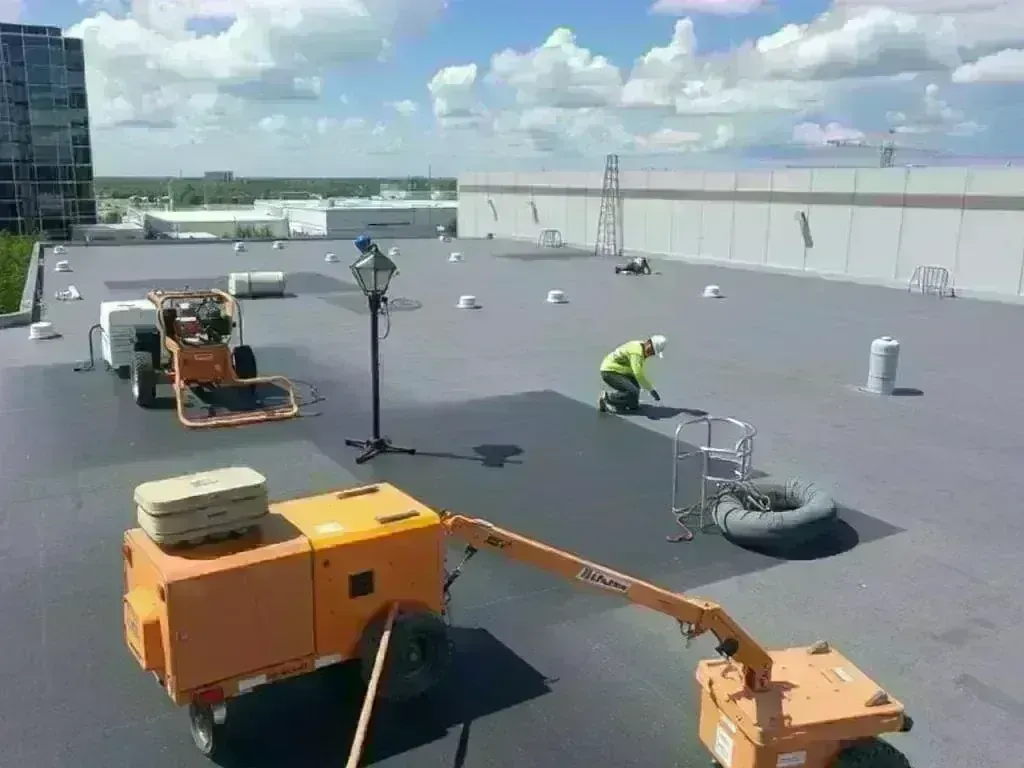
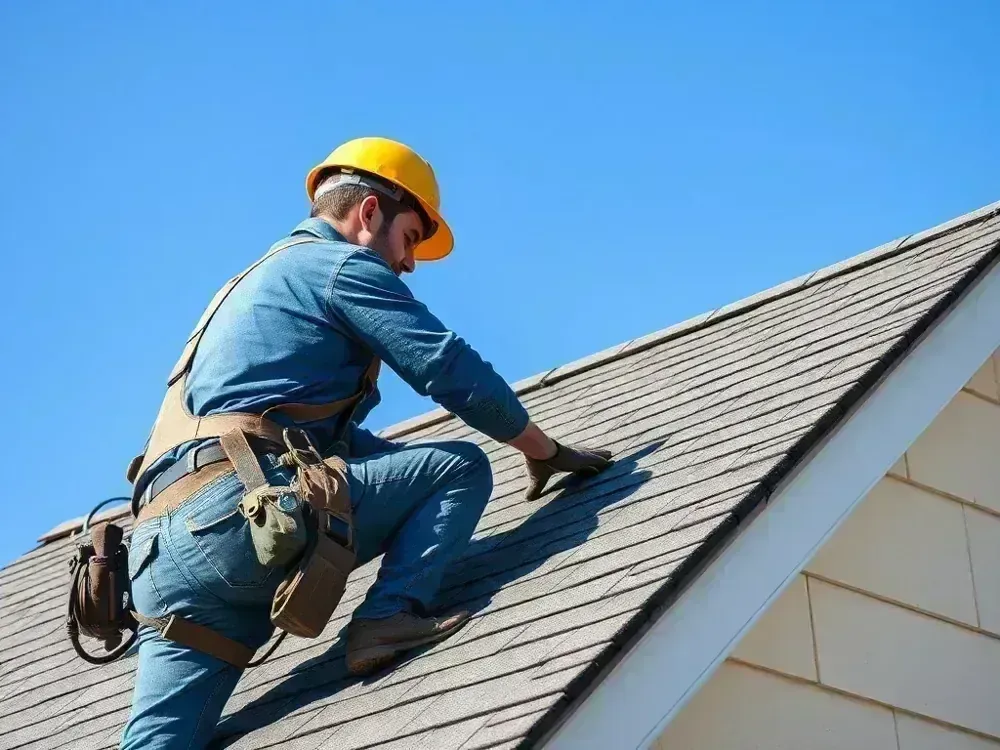
When an inspection turns into work, the equipment shows up in order. Scaffold, ladder, and safety harness go up first, tied into a rated anchor point that bites sound decking.
A roofing square of shingles weighs close to a hundred pounds, so bundles come off a boom or a lift rather than a ladder, and a nail gun runs off a towed air compressor.
A pry bar, roofing shovel, and a dumpster handle tear-off and debris in one pass. Torch, mastic, roof cement, and adhesive come out for modified bitumen details where a nail or screw would puncture the membrane.
As a roofing contractor, we keep the findings neutral and let the photos argue for us. A licensed and insured roofer who inspects honestly will sometimes talk himself out of a job, and that version of this service is the one you want.
Call 612-979-0693 for a free estimate, or request one online. We are licensed and insured, and the report is yours whether or not you hire us.